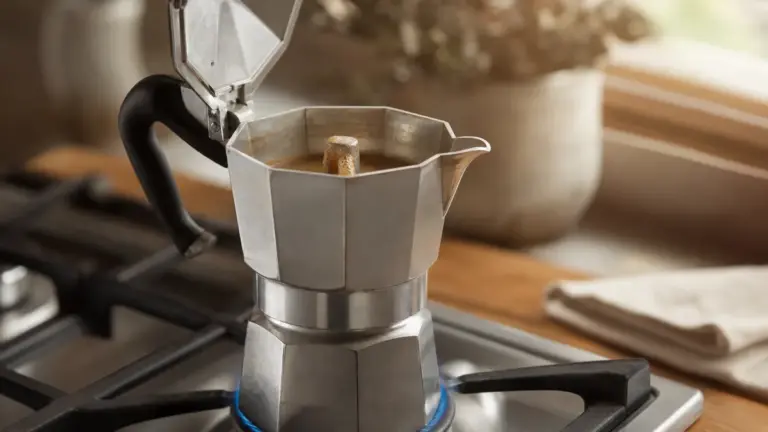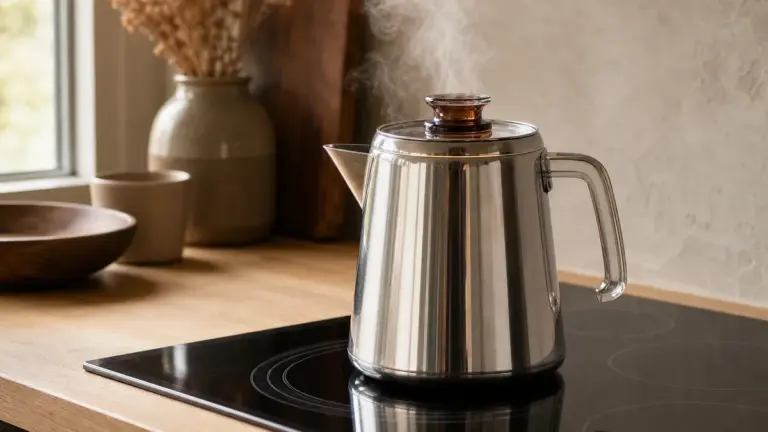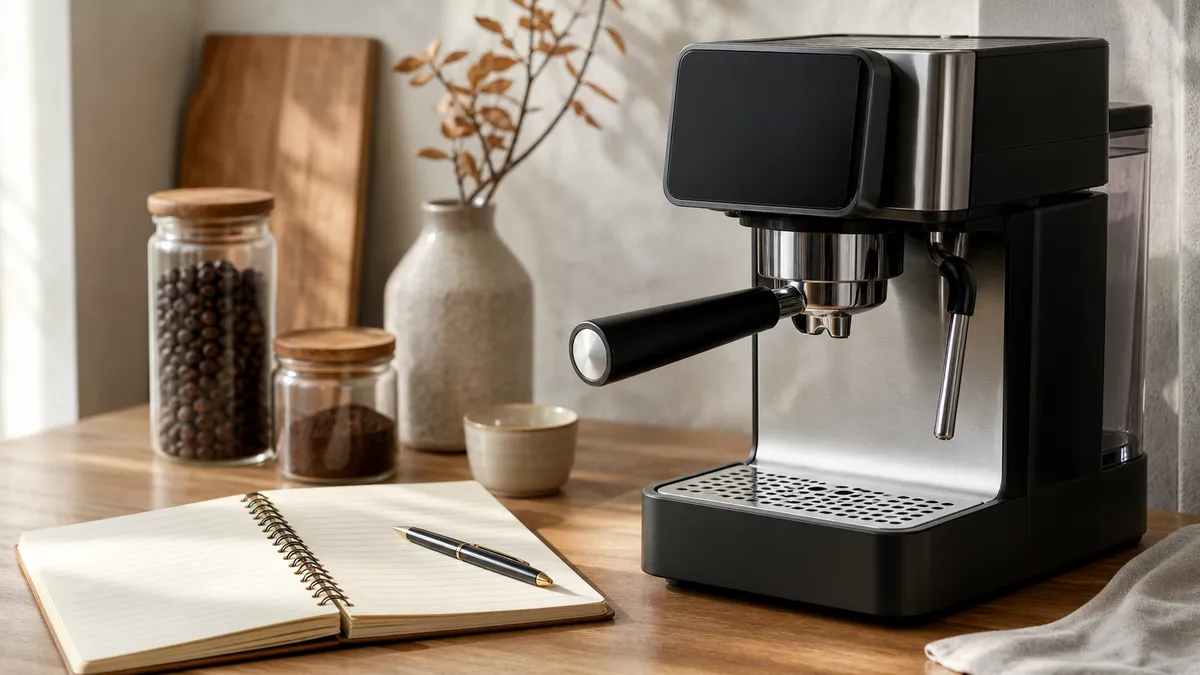
The coffee machine buying mistakes worth avoiding are choosing equipment without a suitable grinder, overlooking cleaning and water requirements, and buying the wrong capacity for your routine. Start with the drinks you actually make, how many you need together and the maintenance you will realistically do, then compare machines against those needs.
In short
- Choose the grinder and brewing machine together, particularly for espresso.
- Read the cleaning instructions before buying, including any separate milk-system routine.
- Check back-to-back drink preparation, not just water-tank size or daily output claims.
- Find your local water hardness and confirm the manufacturer’s treatment requirements.
- Ask for itemised written quotations covering equipment, consumables, servicing and installation where applicable.
1. Buying an espresso machine without a suitable grinder
An espresso machine is only part of the equipment needed when you intend to grind whole beans yourself. Espresso requires fine control of grind size: Baratza’s Encore ESP manual explains that very small adjustments are needed to fine-tune a shot.
The mistake is assuming that any grinder with a “fine” setting will provide the adjustment you need. Before buying, check that its manufacturer explicitly supports espresso and explains how to adjust it. A burr grinder, which grinds between two shaped surfaces, should be assessed on its adjustment range and suitability, not simply its number of settings.
For a machine with an integrated grinder, ask to see the adjustment and cleaning procedure. For separate equipment, make the grinder part of the original shortlist rather than an afterthought.
Pre-ground coffee is not automatically incompatible with espresso equipment. For example, Sage specifies dual-wall baskets for pre-ground coffee and single-wall baskets for freshly ground beans on the Barista Express. Check the exact machine’s instructions rather than assuming every basket works the same way.
2. Treating cleaning as something to investigate later
“Automatic cleaning” is not a complete description of the work involved. JURA’s X8 instructions, for example, require daily attention to the grounds container and drip tray, alongside milk-system cleaning and dismantling and rinsing the dual spout when milk has been prepared.
Before ordering, download the manual and trace an ordinary day’s maintenance. Look for tasks involving:
- The drip tray and used coffee.
- The brewing components.
- Milk pipes, outlets or steam wand.
- Cleaning products and water filters.
- Periodic descaling, where instructed.
Ask for a demonstration of the full milk-cleaning routine, not just a rinse animation on the screen. Then decide whether you would willingly do it after your final drink.
For a shared workplace, give the routine a named owner and a backup. A cleaning schedule that depends on “someone” doing it is not much of a schedule.
3. Choosing the wrong capacity
Capacity is not one measurement. A large water tank tells you how much water the machine holds; it does not establish how quickly it can prepare your particular sequence of drinks.
Write down both normal demand and the busiest period. Include drink sizes, milk drinks and how many people want coffee at once. Ask the supplier to demonstrate that sequence, including any refilling, emptying, rinsing or recovery between drinks.
Use these separate buying checks:
| Check | What to establish before buying |
|---|---|
| Daily demand | Whether the manufacturer approves the intended level and type of use |
| Peak demand | Whether your busiest drink sequence can be completed acceptably |
| Replenishment | How often water, beans and milk need attention |
| Waste handling | Access to the drip tray and grounds container |
| Batch brewing | Whether the brewer supports both your usual and largest batch |
Treat published output figures as manufacturer claims, not guarantees of your own workflow. Ask which drinks and test conditions they describe.
For a broader route through equipment choices, use the coffee machines guide.
4. Ignoring water hardness
Water planning should happen before installation, not after the first scale warning. Sage’s Barista Express manual warns that mineral build-up from hard water can reduce brewing flow and temperature and affect the coffee’s taste.
Check your own water supplier’s published information. Thames Water, for example, provides a postcode-based water-quality lookup. Do not substitute a national average or a nearby town’s result for the supply serving your address.
Then match that information to the machine’s instructions. Ask the manufacturer or installer:
- Is a hardness test required during setup?
- What treatment is suitable for this machine and supply?
- How is filter replacement determined?
- What descaling procedure, if any, must the user follow?
Do not treat coffee-oil cleaning and descaling as interchangeable. Sage explicitly distinguishes its cleaning cycle from its descaling procedure. Follow the exact model’s requirements rather than copying another owner’s timetable.
5. Chasing features instead of choosing a routine
Start with a short requirements list: your usual drinks, acceptable preparation effort, peak demand and cleaning tolerance. Only then assess screens, connectivity, drink menus and automated adjustments.
For each feature, ask: what task does this remove, or what result does it help me control? If you cannot answer, leave it off the essential list.
The Specialty Coffee Association’s home equipment certification provides evidence that listed equipment has been evaluated against its applicable coffee-quality standards. It is useful evidence for the equipment covered, but it does not answer personal questions about access, cleaning or your preferred workflow.
It is also worth questioning whether you need the machine class you first considered. If your interest is a particular brewing method rather than automated drinks, compare the routines described in siphon coffee makers and Turkish coffee pots and cezves before committing to a different setup.
6. Forgetting running costs and support
Compare the complete ownership requirement, not just the machine itself. Ask for itemised written quotations and a clear list of what is included, excluded and required to keep the equipment supported.
Include coffee, milk where used, water treatment, cleaning products, energy, servicing, replacement parts and any installation work. For workplace equipment, also establish who handles faults, what the response arrangements are and whether temporary replacement equipment is available.
To estimate your own ongoing requirement:
- Record expected drinks over your chosen period.
- Multiply drink numbers by the coffee dose and milk quantity for each recipe.
- Add cleaning and filter requirements using the manufacturer’s schedule and your water conditions.
- Add energy, servicing and other contractual items from written quotations.
- Keep one-off equipment and installation items separate from recurring items, then compare over the same ownership period.
Ask suppliers to state VAT treatment and whether each quoted item includes VAT. Do not assume that competing quotations cover the same services.
7. Assuming the warranty answers every question
Check who will repair the machine, how it reaches them and what use the warranty permits. Obtain written confirmation that your intended domestic or workplace use is covered.
For UK consumer purchases, statutory rights are separate from a manufacturer’s warranty. GOV.UK explains that goods must meet the applicable requirements and that a warranty’s expiry does not automatically remove rights against the seller.
Do not assume the same consumer protection applies to a purchase made for business purposes. The Consumer Rights Act 2015 defines a consumer as an individual acting wholly or mainly outside their trade, business, craft or profession.
Keep the receipt, product description, quotation and written assurances about suitability.
Coffee machine buying mistakes: the final checklist
Before placing the order, confirm:
- [ ] I have listed my usual drinks and busiest preparation sequence.
- [ ] The grinder is suitable, or the machine supports my intended pre-ground coffee.
- [ ] I have read the cleaning and water-treatment instructions.
- [ ] I can reach and remove the tank, tray and other user-serviceable parts.
- [ ] The manufacturer supports my intended use.
- [ ] I understand the consumables, servicing and support arrangements.
- [ ] I have an itemised written quotation with inclusions and VAT status.
- [ ] Every essential feature solves a task I actually have.
If a supplier cannot explain an essential requirement clearly, resolve it before buying.
FAQ
Should I buy a machine before I have tasted its coffee?
If possible, taste the drinks you intend to make before committing. Ask for your normal drink size and coffee style rather than accepting an unfamiliar demonstration recipe. Treat tasting as a personal suitability check, alongside the manual, capacity assessment and maintenance demonstration, not as a replacement for them.
Is a refurbished coffee machine a mistake?
Not necessarily, but ask for its condition, repair history, included accessories and support terms in writing. Request a demonstration and confirmation of the intended use. Establish who is selling it and in what capacity, since the protections associated with buying from a trader should not be assumed for every second-hand transaction.
What if I am buying a machine as a gift?
Choose around the recipient’s routine rather than your own enthusiasm for equipment. Establish whether they want hands-on preparation or a simple daily process, and check the seller’s returns policy before ordering. GOV.UK distinguishes faulty-goods rights from change-of-mind returns, so do not assume an unwanted machine can always be returned.
Where to go next
Read Coffee Machines to organise your shortlist around the right equipment category. If you are reconsidering the brewing routine itself, Siphon Coffee Makers and Turkish Coffee Pots and Cezves provide useful next reads before you choose equipment.
Sources
-
Baratza, Encore ESP Operations Manual, January 2023, version 1.0. Grinder adjustment and espresso requirements.
https://assets.breville.com/ZCG495/manual-encoreesp-v1-0-en-010923.pdf -
Sage Appliances, the Barista Express BES875/SES875 Quick Guide, 2021, revision UG6 D21. Basket compatibility, scale, cleaning and descaling.
https://assets.sageappliances.com/BES875/SES875_EU_UG6_D21_FA_LR.pdf -
JURA, X8 Instructions for Use, Type 739, undated retrieved edition. Daily maintenance, milk-system care and operating requirements.
https://is.jura.com/-/media/global/pdf/manuals-global/professional/X8/download_manual_x8.pdf?la=en&sc_lang=en -
Specialty Coffee Association, Certified Home Equipment, current programme page, undated. Scope and evaluation basis of certification.
https://sca.coffee/certified-home-brewer -
Thames Water, Water quality, current guidance, undated. Address-specific water-quality lookup.
https://www.thameswater.co.uk/help/water-and-waste-help/water-quality -
GOV.UK, Accepting returns and giving refunds: the law, current guidance, undated. Faulty goods, warranties and change-of-mind returns.
https://www.gov.uk/accepting-returns-and-giving-refunds -
UK Parliament, Consumer Rights Act 2015, section 2, enacted text, 2015. Definition of a consumer.
https://www.legislation.gov.uk/ukpga/2015/15/section/2/enacted?view=plain
This article was researched using retrieved manufacturer instructions, SCA programme information, water-supplier guidance and official UK consumer-law sources; the checklist is editorial guidance, not a report of hands-on testing.
Last checked: November 2026