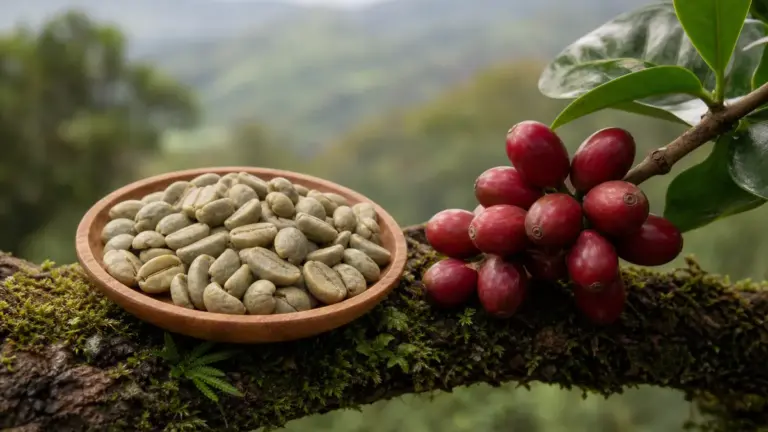
Colombian coffee is often sweet, balanced and clearly acidic, with fruit and caramel among its characteristic flavours. For a useful starting comparison, look for washed Huila coffee with rounded sweetness, or washed Nariño coffee with pronounced brightness, then judge the individual lot rather than expecting one national flavour.
In short
- Huila’s protected coffee-growing zone spans 1,000 to 2,200 metres; Nariño’s spans 1,300 to 2,300 metres. These are designation boundaries, not the altitude of every farm.
- Many growing areas have a main harvest and a smaller mitaca, but their timing and relative size vary geographically.
- Washed processing is central to Colombia’s traditional coffee identity, including the protected Huila and Nariño origins.
- Castillo is a cultivated arabica variety bred for rust resistance, not a processing method or quality grade.
- Supremo and Excelso primarily describe bean-size preparations. Neither tells you how good the coffee will taste.
What Colombian coffee is like
The most useful description of Colombian coffee is not simply “smooth”. Its appeal often lies in sweetness alongside a distinct, refreshing acidity, with enough body, meaning weight and texture in the mouth, to keep the cup rounded.
Huila’s official origin description emphasises balance, sweet notes, fruit and caramel. Nariño’s emphasises high acidity, medium body, sweetness and a pronounced aroma. Those descriptions provide a better buying compass than treating all Colombian coffee as interchangeable.
They are still regional descriptions, not tasting results for the bag in front of you. Ask a roaster what distinguishes that particular coffee, rather than assuming its national origin supplies the answer.
For the wider geographical context, start with South American origins. Colombia is best understood as a collection of growing areas, not a single reference flavour for the continent.
Colombian coffee origin fact panel
| Feature | Reference information |
|---|---|
| Species | Coffea arabica is the species specified for the protected Huila and Nariño coffees discussed here. |
| Growing altitude | Huila designation: 1,000 to 2,200 metres above sea level. Nariño designation: 1,300 to 2,300 metres. These are legally delimited zones, not national minimum and maximum elevations. |
| Main varieties to recognise | Castillo, Colombia and Caturra are established Colombian varieties; Typica, Bourbon and Tabi also appear in Cenicafé’s account of cultivated varieties. This is not a current planting-share ranking. |
| Processing | Washed processing defines the protected Huila and Nariño products. Natural and honey coffees also exist, including documented production by a Nariño growers’ association. |
| Harvest months | Central growing areas commonly have peaks in April to June and September to December. Southern production is more concentrated in April to June; Huila contains different harvest patterns, so request the lot’s actual picking period. |
| Typical cup profile | Huila: balanced, sweet, fruity and caramel-like, with medium to high acidity and body in its protected-origin description. Nariño: high acidity, medium body, sweetness, a clean cup and pronounced aroma. |
The altitude and sensory descriptions come from Colombia’s origin-protection authority, SIC. The variety and harvest information comes from Cenicafé; processing exceptions are documented by Colombia’s rural development agency, ADR.
Growing regions beyond the familiar coffee belt
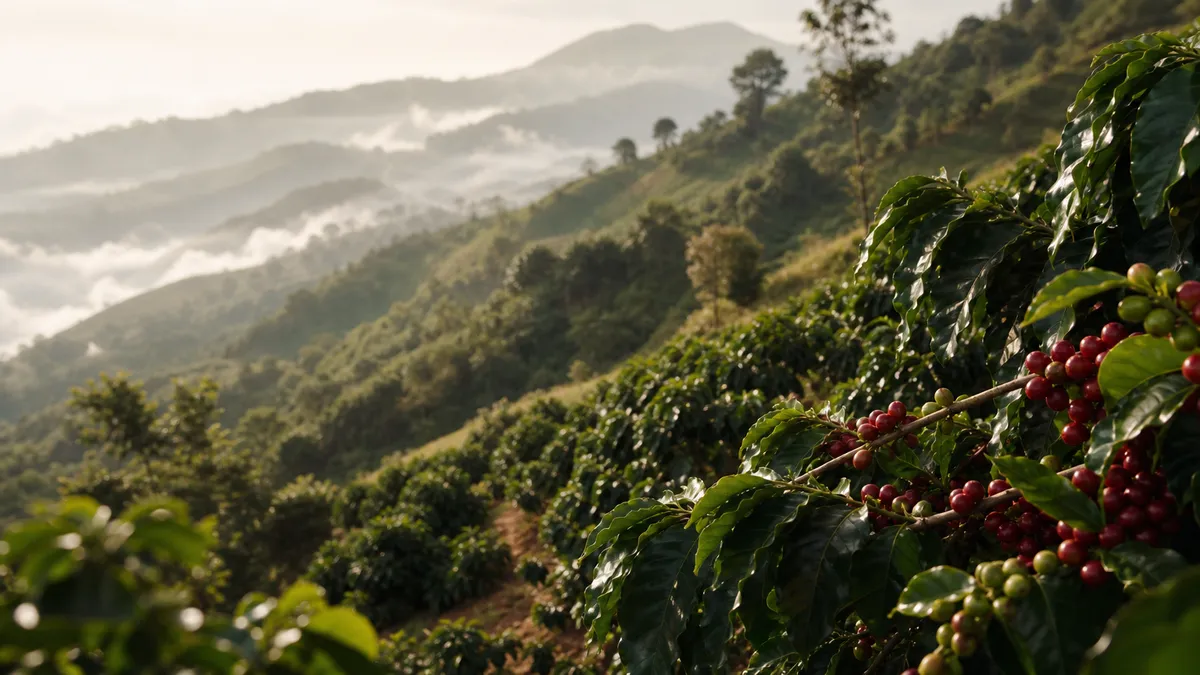
Colombia’s coffee geography extends well beyond the famous central coffee belt. The FNC’s regional guide includes Antioquia, Caldas, Risaralda, Quindío, Tolima, Cauca, Huila, Nariño, Santander and other producing departments.
A department is an administrative area, not a uniform growing environment. Cenicafé describes geographical differences in rainfall, flowering and harvest distribution, which help explain why a national harvest calendar needs qualification.
For buying purposes, move from the broadest description to the most specific: country, department, municipality, producer or association, then the individual lot. Not every coffee needs a single-farm identity, but a regional name alone leaves many questions unanswered.
Keep neighbouring origins separate rather than borrowing their descriptions. The guides to Brazilian coffee, Ecuadorian coffee and Peruvian coffee provide their own regional context.
Two harvests, but not one national calendar
The familiar explanation is that Colombia has a main harvest and a smaller secondary harvest, called the mitaca or traviesa. That is useful shorthand for many areas, but it is not a rule that every farm produces two equal crops.
Cenicafé identifies central-region harvest peaks between April and June and between September and December. Which period provides the main crop depends on location. Its harvesting guidance places different parts of Huila in several patterns, including areas where production is more evenly divided.
Southern production is generally more concentrated in the first half of the year. Consequently, applying a central-region calendar unchanged to Nariño is misleading.
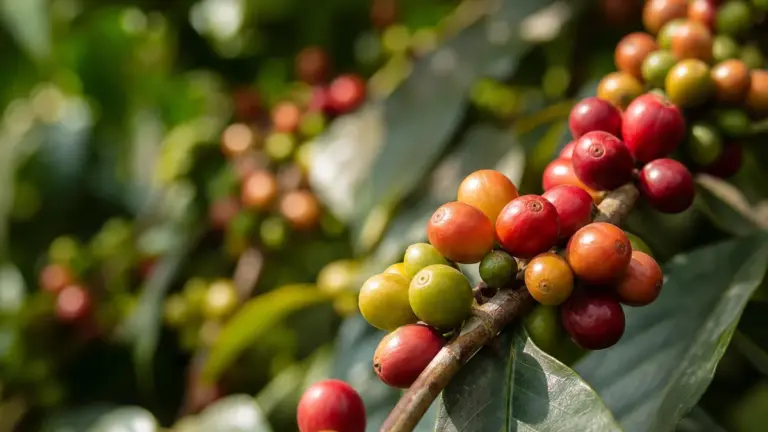
The mechanism begins with flowering. Rainfall and dry periods influence when flowers develop and open; the resulting fruit then matures over subsequent months. Different local conditions produce different flowering and picking patterns.
For a UK buyer, the practical question is therefore “When was this lot harvested?” rather than “When is Colombia’s harvest?” Ask for the picking period alongside the roast date, and avoid assuming that mitaca means an inferior grade. It identifies a harvest period, not a sensory assessment.
Huila
Huila is a strong starting point if you want Colombian coffee with sweetness and fruit in balance. Its protected-origin description identifies sweet notes, medium to high acidity and body, intense fragrance and aroma, and fruity and caramel-like sensations.
The protected growing zone extends from 1,000 to 2,200 metres above sea level. It includes municipalities such as Pitalito, San Agustín, Acevedo and Garzón. That breadth is a reason to look beyond “Huila” on the label, not to assign every farm the same conditions.
What to look for in the cup
Use sweetness, fruit and caramel as the initial reference points. Café de Colombia’s regional guide also describes floral aroma, citrus acidity and a creamy, medium body.
These descriptions overlap without being identical. The protected-origin specification defines an eligible regional product, while the promotional guide gives a broader sensory sketch. Neither is a substitute for the roaster’s assessment of a particular lot.
My suggested first purchase is a washed Huila whose description explicitly mentions both sweetness and fruit. It gives you a clear reference against which to compare another producer or process, without selecting solely for an unusual variety name.
Why harvest details matter here
Do not automatically label one Huila crop the main harvest and the other the secondary harvest. Cenicafé’s guidance recognises different patterns within the department.
When comparing bags, ask whether they represent the same picking season and whether the producer or association has changed. Those questions make the comparison more informative than treating the department name as a fixed recipe.
Nariño
Nariño is a useful next step if you enjoy coffee with pronounced acidity and aromatic intensity. Its protected-origin description specifies high acidity, medium body, sweetness, a clean cup and a pronounced aroma.
“Clean” here describes the sensory character of the drink. It is not a hygiene claim. Likewise, acidity in a tasting description refers to a sensory impression, not a statement about how the coffee will affect your stomach.
The protected production zone spans 1,300 to 2,300 metres. Its legal geography includes specified municipalities in Nariño and also Mercaderes, Bolívar and Florencia in neighbouring Cauca. The designation is therefore more precise, and slightly less administratively tidy, than “coffee from Nariño department”.
How to compare it with Huila
Start with washed coffees from both origins and choose roasts intended for the same brewing method. Keep your preparation consistent, then record sweetness, acidity, body and aftertaste before reading the tasting notes again.
The official profiles suggest a useful comparison: Huila’s balance and caramel-like fruitiness against Nariño’s pronounced acidity and aroma. Treat that as a question to investigate, not a result you must reproduce.
Washed coffee remains the reference for the protected designation, but it does not describe everything made locally. ADR documents a Nariño association producing washed, honey and natural coffees. Check the process before attributing an unfamiliar flavour entirely to the region.
The FNC and Castillo
The Federación Nacional de Cafeteros de Colombia, usually shortened to FNC, is the country’s coffee growers’ federation. Founded in 1927, it supports producers through activities including research and agricultural extension, the practical transfer of advice to farms.
Its research centre, Cenicafé, developed Castillo from Caturra and the Timor Hybrid. The original technical publication appeared in 2005 and describes selection for rust resistance, productivity, adaptation and plant characteristics.
Coffee leaf rust is a fungal disease. Resistance is an agricultural trait, not a flavour description: it tells you something valuable about the breeding objective, but does not supply tasting notes.
Keep three label terms distinct:
- Colombia, when naming the country, identifies origin.
- Colombia variety identifies a cultivated plant variety.
- Castillo identifies another cultivated variety, not a grade.
My buying advice is not to accept or reject a coffee on the variety name alone. Ask for the producer, process and actual cup description, then assess whether those suit your preferences.
The washed tradition
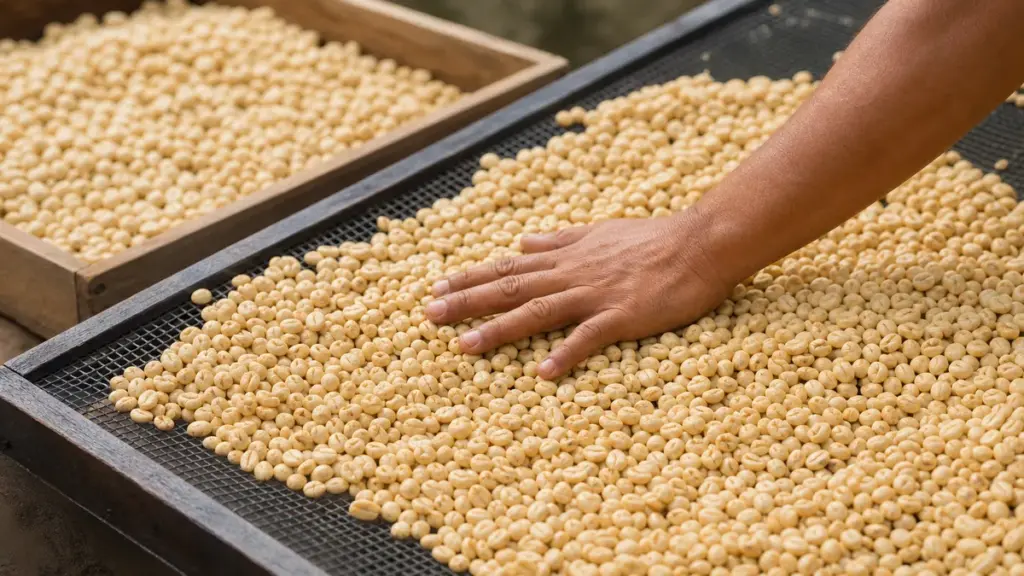
Washed processing is part of the formal definition of both protected origins. In the traditional sequence, coffee is picked selectively, the fruit is depulped, the remaining sticky mucilage is removed, and the coffee is washed before drying.
Fermentation can help remove mucilage, but “washed” does not prescribe one universal fermentation duration. Cenicafé’s technical guidance explains that the necessary time varies between batches, even when they come from the same place.
Mechanical mucilage removal also exists. Cenicafé states that correctly operated equipment need not reduce cup quality, so hand fermentation should not automatically be treated as superior.
For the reader, the useful distinction is between a clearly described process and an unexplained claim. Ask what “extended fermentation” means in that producer’s method rather than treating the phrase as a guaranteed improvement.
Supremo and Excelso: size, not a tasting verdict
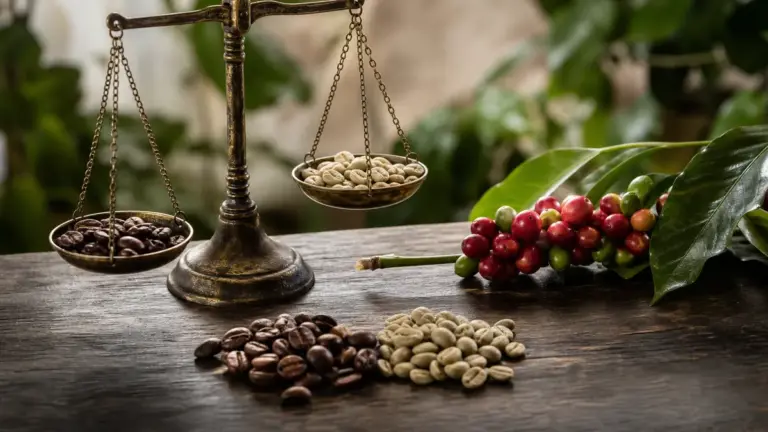
Supremo generally identifies a larger-bean preparation than Excelso. The ICO explains that beans bearing these descriptions can come from the same tree and be separated by size.
These are not botanical varieties, regions or substitutes for tasting. Also, Excelso appears within Colombian export terminology more broadly, including combined descriptions such as “Excelso Supremo”, so the terms are not always two neatly opposed retail categories.
For a retail buyer, the useful conclusion is simple: larger does not automatically mean more enjoyable. Prioritise a clear origin, process and sensory description over a grand-sounding grade. When choosing Colombian coffee, use the regional name to begin the search and the individual lot to make the decision.
FAQ
Can Colombian single-origin coffee contain several varieties?
Yes, an origin description does not necessarily mean a single variety. The FNC’s Nariño designation rules explicitly allow an eligible coffee to contain one variety or a mixture of approved varieties. If you want to compare plant varieties, look for a specifically identified single-variety lot rather than assuming “single-origin” provides that information.
Is a protected origin the same as a named farm?
No, a protected origin identifies an eligible geographical product, not necessarily one farm. Its rules can cover coffee from multiple qualifying producers and define production methods and sensory characteristics. Ask separately whether the bag contains a farm lot, an association’s pooled coffee or another regional selection.
Does washed coffee mean that fermentation was avoided?
No, washed processing can include fermentation to help remove the sticky mucilage remaining after depulping. Cenicafé publishes guidance specifically on fermentation and washing, including monitoring when the coffee is ready to wash. The word “washed” alone does not tell you the fermentation time or every step used by the producer.
Where to go next
Read South America to place Colombia within the wider region, then Brazil for a separate country-level reference. Ecuador and Peru are useful next reads for exploring neighbouring Andean origins without assuming that they share Colombia’s regional profiles.
Sources
-
Café de Colombia / FNC, “Regiones cafeteras”, undated. Regional coverage and descriptive cup profiles.
https://cafedecolombia.com/regiones-cafeteras/ -
Superintendencia de Industria y Comercio, “Café del Huila”, protection resolution dated 2013; current register entry. Defined geography, altitude, processing and sensory characteristics.
https://sedeelectronica.sic.gov.co/temas/propiedad-industrial/direccion-de-signos-distintivos/denominaciones-de-origen/cafe-del-huila -
Superintendencia de Industria y Comercio, “Café de Nariño”, protection resolution dated 2011; current register entry. Defined geography, altitude, processing and sensory characteristics.
https://sedeelectronica.sic.gov.co/temas/propiedad-industrial/direccion-de-signos-distintivos/denominaciones-de-origen/cafe-de-narino -
Cenicafé, “Recolección de café”, Cartilla cafetera, chapter 19, undated retrieved extract. Regional harvest peaks and differing patterns within departments.
https://publicaciones.cenicafe.org/index.php/libros_manuales/article/view/3197 -
Arcila and colleagues, Cenicafé, Sistemas de producción de café en Colombia, first edition, May 2007. Flowering, geographical harvest distribution and cultivated varieties.
https://publicaciones.cenicafe.org/index.php/libros_manuales/article/download/3234/3254/3021 -
FNC, “¿Quiénes somos?”, undated. Federation founding, Cenicafé and extension functions; only national institutional information used.
https://cundinamarca.federaciondecafeteros.org/quienes-somos/ -
Alvarado, Posada and Cortina, Cenicafé, “Castillo: Nueva variedad de café con resistencia a la roya”, Avances Técnicos 337, 2005. Breeding parents and selection objectives.
https://biblioteca.cenicafe.org/handle/10778/401 -
Cenicafé, “Microprocesadores guía de buenas prácticas de café lavado. Fermentación y lavado”, 2020. Fermentation monitoring and washing practice.
https://publicaciones.cenicafe.org/index.php/infografias/article/view/2885 -
FNC / Cenicafé, “Preguntas y respuestas: Conferencias Más Agronomía, Más Productividad, Más Calidad”, 2020. Variable fermentation duration and mechanical mucilage removal.
-
International Coffee Organization, “Quality”, Market Development Toolkit, undated. Supremo, Excelso and size sorting.
https://ico.org/market-development-toolkit/page/index/8/quality/98 -
FNC, Reglamento de Uso de la Denominación de Origen Café de Nariño, 2012. Species, permitted variety mixtures and product requirements.
https://federaciondecafeteros.org/static/files/Reglamento_de_Uso_DO_Caf%C3%A9_de_Nari%C3%B1o_-_DIAGRAMADO.pdf -
Agencia de Desarrollo Rural, “ASOQUIÑA: Café Germinar”, CIIE 2025 producer profile, 2025. Documented washed, honey and natural production in Nariño; promotional quality and certification claims not used.
https://www.adr.gov.co/asoquina-ciie-2025/ -
FNC, authorised users of the Café de Colombia denomination of origin, report dated 31 May 2017. Documentary examples of combined “Excelso Supremo” terminology.
This article was researched through live searches of Colombian origin registers, FNC and Cenicafé publications, and ICO guidance, distinguishing protected-origin definitions from descriptions of individual coffees.
Last checked: November 2026